
A Day in Central Japan’s Historic Villages of Ogimachi and Ainokura
Japan is a country filled with a fascinating duality between modernity and tradition. One of the areas where the traditional side of that coin is best seen is in Central Japan in the historic villages of Ogimachi and Ainokura.
A visit to these two rural villages can feel like stepping back in time, a sensation that is even more pronounced if you’re coming from the high-tech world of Tokyo’s busy streets. Add to that the stunning mountain views and serene countryside and you have a day trip that’s well worth your time.
If you’re still on the fence about visiting Ogimachi and Ainokura during your time in Japan, keep reading to find out more about this part of the country.
Disclaimer: This post may contain affiliate links. If you make a purchase through one of these links, I will earn a small commission. This occurs at no added cost to you.
Orientation to Ogimachi and Ainokura
Ogimachi and Ainokura are two of Japan’s most culturally significant villages because of the high concentration of traditional homes they contain.
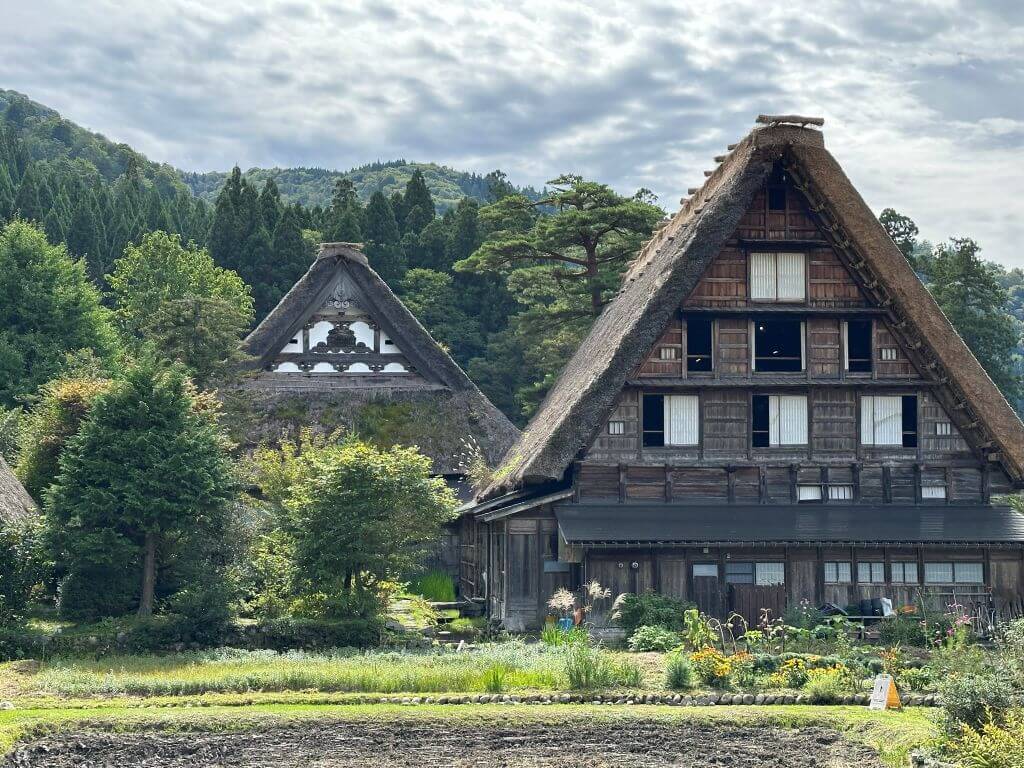
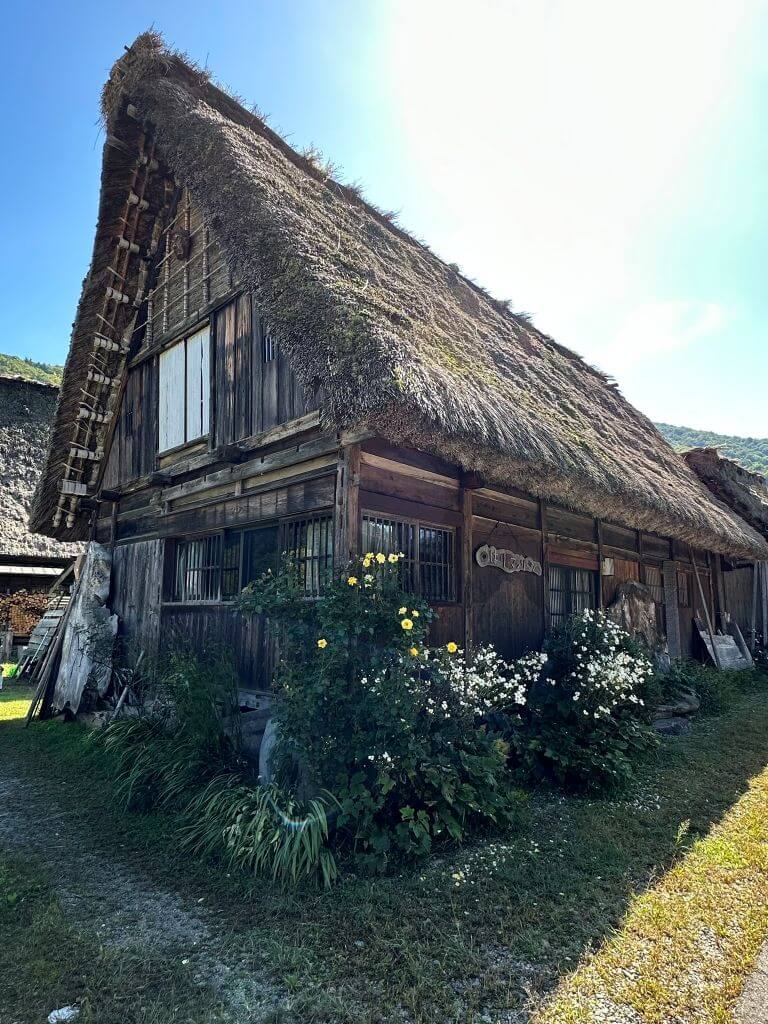
These homes are built in the gassho-zukuri style (often shorted to just gassho), a distinct design unique to this area of Japan. Their main feature is the steeply slanted rooftops that resemble hands in prayer. The roofs are also thickly thatched. These two features give the gassho homes a unique, rustic look that has become attractive to tourists.
People living in the Shirakawa-go and Gokayama regions (where Ogimachi and Ainokura are located) needed a way to deal with heavy snowfall. Gassho construction was an ideal solution, as the thatching and triangular shape of the roofs helped to prevent snow from accumulating on top of their homes.
Many of these homes are also historic simply because of their age, with many dating back 300 years. One of the oldest homes is believed to be 350 years old and is located in Ainokura.
Because of the historical and cultural significance of the gassho-style homes, the region was recognized by UNESCO as a World Heritage Site in 1995. Ogimachi of Shirakawa-go and Ainokura of Gokayama, along with the smaller village of Suganama in Gokayama, were designated the Historic Villages of Shirakawa-go and Gokayama.
Visiting Ogimachi
Ogimachi in Shirakawa-go is where to go if you want to see gassho homes in abundance. You’ll find a higher concentration of these houses here than anywhere else in the region.
Of course, all these charming gassho homes clustered in one village comes with a downside. Ogimachi can feel a bit touristy and Disneyfied. Real people do live here – 100 families call Ogimachi home, in fact – but it’s sometimes hard to remember that with all the gift shops and perfectly manicured gardens.
But don’t let that deter you from visiting. Even with that issue, Ogimachi is a beautiful village worth your time. Once you get away from the main entrance into town, the gift shops become less numerous and the simple village charm kicks into gear. It also helps if you can get away from the crowds, which is easy to do by avoiding the area around the gift shops.
One of the touristy areas you’ll definitely want to see is the Shiroyama Viewpoint near the north end of Ogimachi. It’s a bit of a climb, but your effort will be rewarded with amazing views of the village and surrounding region.
Another interesting stop to make a point of seeing is the Wada-ke House. This small museum was once owned one of the wealthiest families in Ogimachi. It’s a good way to see inside one of the larger gassho homes in the villages. It showcases the typical layout of one of these houses and also displays some of the family’s traditional silk-making equipment.
You may also be interested in the Gassho-Zukui Minka-en outdoor museum in Ogimachi. Several gassho-style homes were relocated here for preservation purposes and formed into an open-air museum that shows what traditional life was like in the area.


Visiting Ainokura
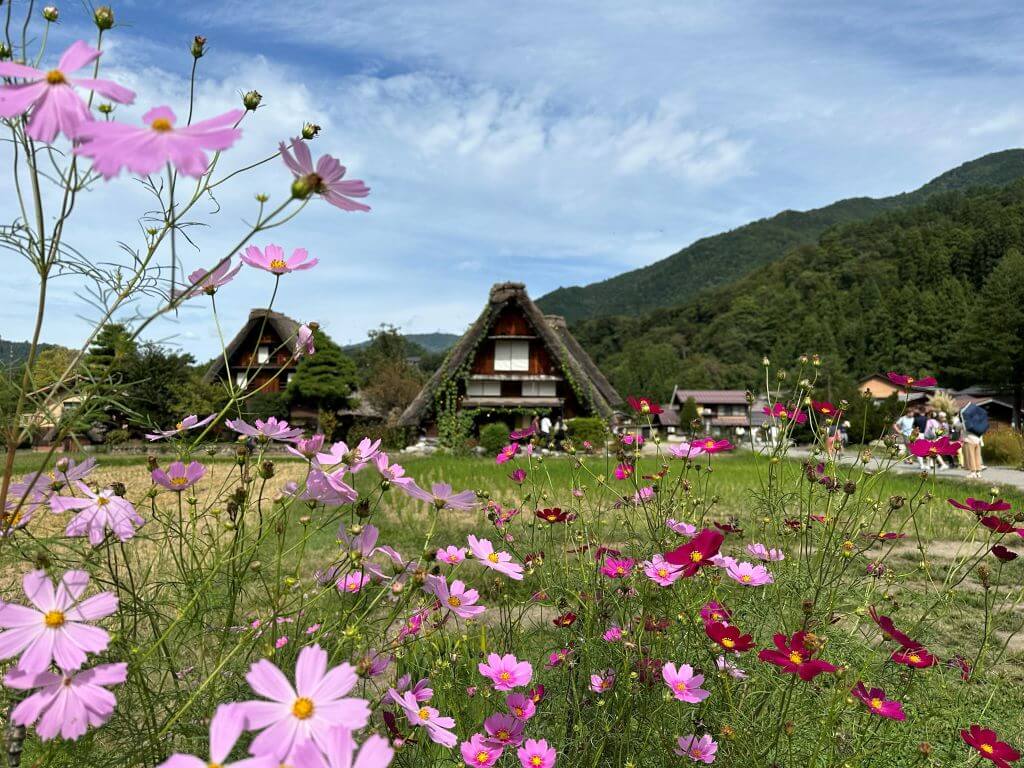
Ainokura is a much more laid-back option for visitors looking to experience Central Japan’s gassho architecture. It’s almost the complete opposite of Ogimachi: small, not especially touristy, and feels like people actually live here.
It’s about as authentic an experience as you can get while still having enough to do to make the trip here worthwhile.
We spent most of our 90 minutes in Ainokura just meandering around the village’s sleepy lanes admiring the homes. One thing we did do was visit the viewpoint above town.
To get to the viewpoint, follow the path behind the parking lot that leads through some rice terraces and up the mountain. It’s a bit of an uphill trek, but the journey is generally pleasant, even if part of it is along a road. At the top of the road is a fantastic view of Ainokura and several mountains in the distance.
Ainokura also has a couple small museums you may be interested in visiting. These two museums have exhibits on the region’s history. Unfortunately, they were both closed during our time in Ainokura.
I’d be remiss if I didn’t mention Matsuya, one of the few options for food in Ainokura. I wasn’t expecting much from this small family-run restaurant, but both my wife and I were very pleasantly surprised with the quality of our meals. Everything was cheap and delicious. The menu mostly features soba noodles and tempura. I had a bit of each. Both were good, but the tempura was amazing. It was salty, crunchy and savory. Make sure you give Matsuya a try!


Other Things to do in Central Japan
Suganuma is the third town that makes up Central Japan’s UNESCO-recognized Historic Villages of Shirakawa-go and Gokayama. Like Ogimachi and Ainokura, Suganama is a small village with several examples of gassho homes and a couple small museums. However, it’s small even compared to Ainokura, which is why we decided not to stop here.
The Magome to Tsumago Trail is a 5-mile hike connecting these two small, rustic villages. The hike itself goes along mostly paved roads through forests and farmland. At either end, you can spend time in Magome and Tsumago.
One of Japan’s top castles, Matsumoto Castle, can be found in this region. Matsumoto Castle is Japan’s oldest wooden castle. Visitors are able to explore the castle to learn its history and climb to the top floor for views of the surrounding area. Matsumoto Castle is a bit of a drive from Ogimachi and Ainokura, but the 2-hour trip could be worth it for castle lovers.
Where to Stay for a Day Trip to Ogimachi and Ainokura
During our time in the Central Japan area, we stayed in Takayama, one of the larger towns in the region. Most importantly, it’s reasonably close to both Ogimachi and Ainokura if you’re planning to drive. Takayama also has public buses that run directly to Ogimachi. From there, you can get a transfer to Ainokura.
Takayama has a great old town that complements the historic villages of Ogimachi and Ainokura well. You won’t see any gassho homes, but you will see plenty of old wooden houses, ancient-feeling shrines and temples, and several traditional sake breweries.
We stayed at two different places while in Takayama: a traditional, but expensive, ryokan and a cheaper hotel with a great spa. I highly recommend both. The ryokan, Sumiyoshi Ryokan, was absolutely fantastic. We had great meals there, our room was very cozy, the owners were delightful and it was right on the edge of the historic center.
On the other hand, Chisun Grand Takayama had fewer frills and was on the outskirts of town but was cheaper as a result. What this hotel did have was a very nice spa that helped to unwind after a busy day visiting Ogimachi and Ainokura.

Frequently Asked Questions About Ogimachi and Ainokura
When is the best time to visit Ogimachi and Ainokura?
The answer to this question depends on what you want to get out of your visit. If you want to see Ogimachi and Ainokura during cherry blossom season, visit from mid-April to early May. Are you more interested in the reds and yellows of autumn? You should visit in October.
Of course, those two times of years are busy. August and September are both busy months for tourism in the area, too. If you’d rather avoid large crowds, don’t plan to visit during those months.
Is it worth taking a guided tour to visit Ogimachi and Ainokura?
I don’t think so. I’m sure we missed out on some regional history and small details on the various homes, but we nevertheless both thoroughly enjoyed our visit to each village. If you want more background information, a guided tour may be helpful. If you’re just looking to walk around aimlessly admiring the historical homes and natural scenery, then you don’t need a guide.
How do I get to Ogimachi and Ainokura?
The most convenient way is to rent a car for the day. Roads in Japan are well maintained and navigation is pretty simple with GPS. We were grateful to have a car because it allowed us to spend as much or as little time as we wanted in each village. Having a car also meant we were able to leave our homebase in Takayama at a time that suited us.
Your other option for getting to Ogimachi and Ainokura is by public bus. Ogimachi is one of the main transport hubs of Shirakawa-go, so it’s easy to get buses from any of the larger towns in the area to this village. Ainokura is a bit tricker as it doesn’t have any direct buses from the larger towns in Central Japan. You’ll have to transfer at one of the regional hubs to get to Ainokura.
You could also book private transportation to both, but that is likely to cost more than renting a car or public bus.
Can you stay in a gassho home in Ogimachi and Ainokura?
Yes, visitors have many options for staying in a gassho-style home in the region. The Shirakawa-go Tourist Association has a list of available gassho homes that offer overnight stays.
Thank you for reading this post. Paul Passing Through is a labor of love to which I’ve dedicated a lot of free time. If you’d like to show your support for my blog, you can Buy Me a Coffee to help fund the future of Paul Passing Through. I appreciate any contributions!
Book Your Trip to Japan
Whether you’re looking for tours, hotels or flights, here are some tools to help get you started planning your trip to Ogimachi and Ainokura!
Look for activities and tours offered through GetYourGuide or Viator!
Search Flights
Still can’t find what you’re looking for? Check out my travel essentials pages for more of my recommendations.
Pin This Post!


