Domaine Chaumont-sur-Loire: Is This French Château Worth a Visit?

Domaine Chaumont-sur-Loire is a French château within the Loire Valley, a region made famous by its many fabulous châteaux. It has a fairy tale-inspiring façade and a garden that doubles as a world-renowned annual art exhibit.
Inside, it has several rooms with period furniture and original decor, but is the interior tour enough to make a trip here worth it? This post hopes to answer that to help you plan your trip in the Loire region!
Updated November 2024
Disclaimer: This post may contain affiliate links. If you make a purchase through one of these links, I will earn a small commission. This occurs at no added cost to you.
Summary of Domaine Chaumont-sur-Loire
| Hours: | Opens at 10:00 throughout the year, closing time varies based on season, check before your visit for exact times |
| Length of Visit: | 2 – 3 hours |
| Cost: | €15 – €20 depending on time of year |
| Highlights: | The château itself, International Garden Festival, chapel, Council Chamber, the King’s Room |
A Brief History of Domaine Chaumont-sur-Loire
Like all destinations like this, it’s important to understand some of Domaine Chaumont-sur-Loire’s history to truly appreciate your visit. Here’s a summary of some of the highlights.
Domaine Chaumont’s Origins to 1465
The first castle was built on this hill around the year 1000 A.D. by Odo I, Count of Blois. Chaumont is derived from the phrase chauve mont, which means bald hill. The site was chosen for its strategic location overlooking the border between the counties of Blois and Anjou.
In 1054, the castle passed into the Amboise family via marriage where it would remain for the next 500 years.
Mid-15th Century to Mid-16th Century
King Louis XI had the castle razed in 1465 as punishment for a failed rebellion committed by Pierre d’Amboise. It was rebuilt by Charles I d’Amboise and his son Charles II over the following half-century.
In 1550, Catherine de Medici acquired Domaine Chaumont-sur-Loire. While she did not have any major changes done to the château, her ownership is important because of what would happen upon her husband’s, King Henri II, death in 1559.
Henri II had given his mistress Diane de Poitier the more glamorous Château de Chenonceau in 1547. When he died, Catherine forced an exchange with Diane in which the two would trade châteaux (one château for another – the horror!).
De Poitier would oversee the creation of the parapet walkways of the château’s entrance and the St. Nicholas Tower.
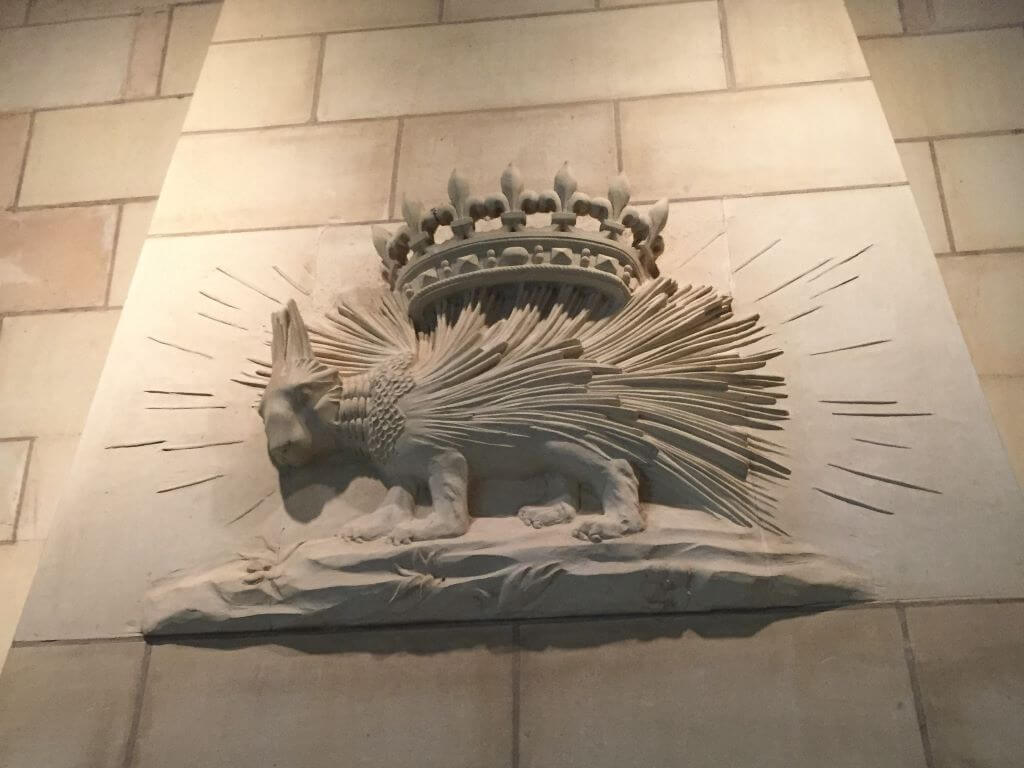
Domaine Chaumont-sur-Loire During the Age of Revolution
Jacques-Donatien Le Ray purchased Domaine Chaumont-sur-Loire in 1750. Le Ray was an active American sympathizer during the American Revolution. He’s even been referred to as the French Father of the American Revolution. He would have Benjamin Franklin as a guest at the château and would assist in procuring financial loans from the French government for the American cause.
Coincidentally, these loans would lead to France’s own revolution as they were a contributor to the government becoming bankrupt. The rest, as they say, is history.
Le Ray is also important to the overall design of Domaine Chaumont. In 1750, he had the north wing demolished to create a grand vista of the Loire River and surrounding valley.
1800s to Present
During the first half of the 19th century, the château exchanged hands a couple different times before eventually being purchased by Marie-Charlotee-Constance Say in 1875. She would marry Prince Henri-Amédée de Broglie. Together, they furnished the château with Renaissance furniture, had the stables built and had the park replanted.
Finally, in 1938, Domaine Chaumont-sur-Loire was ceded to the state. Since 2007, it has been owned and managed by the Centre-Val de Loire Region.
Highlights of Your Tour of Domaine Chaumont-sur-Loire
Domaine Chaumont’s interiors are lacking. There are many more rooms within this château than there are decorations and furniture to adorn them. The rooms that are furnished are a pleasure to tour, but I wish there were more of them.
Here are some of the more notable rooms you’ll see.
Walking into Domaine Chaumont
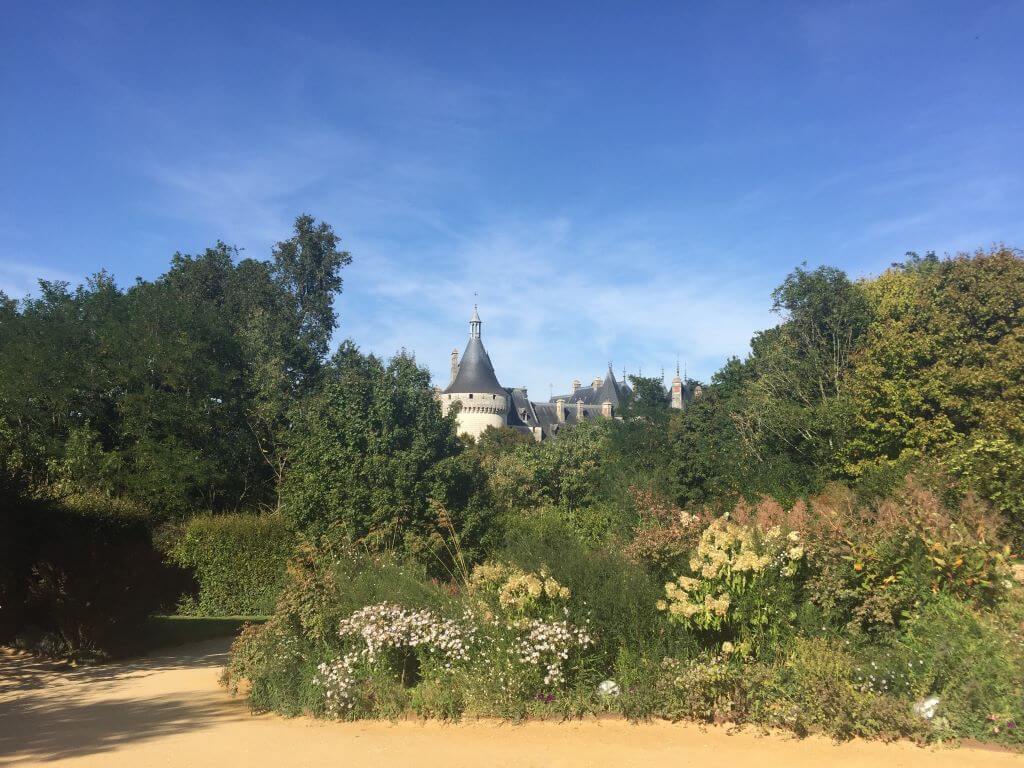
The walk up to Domaine Chaumont is magnificent and was my favorite part of the entire château. Its exterior facade is what a French medieval castle should look like.
Take your time as you walk up the paved pathway to admire the building in front of you. Fun fact: Domaine Chaumont was one of several inspirations for Disney’s Cinderella Castle.
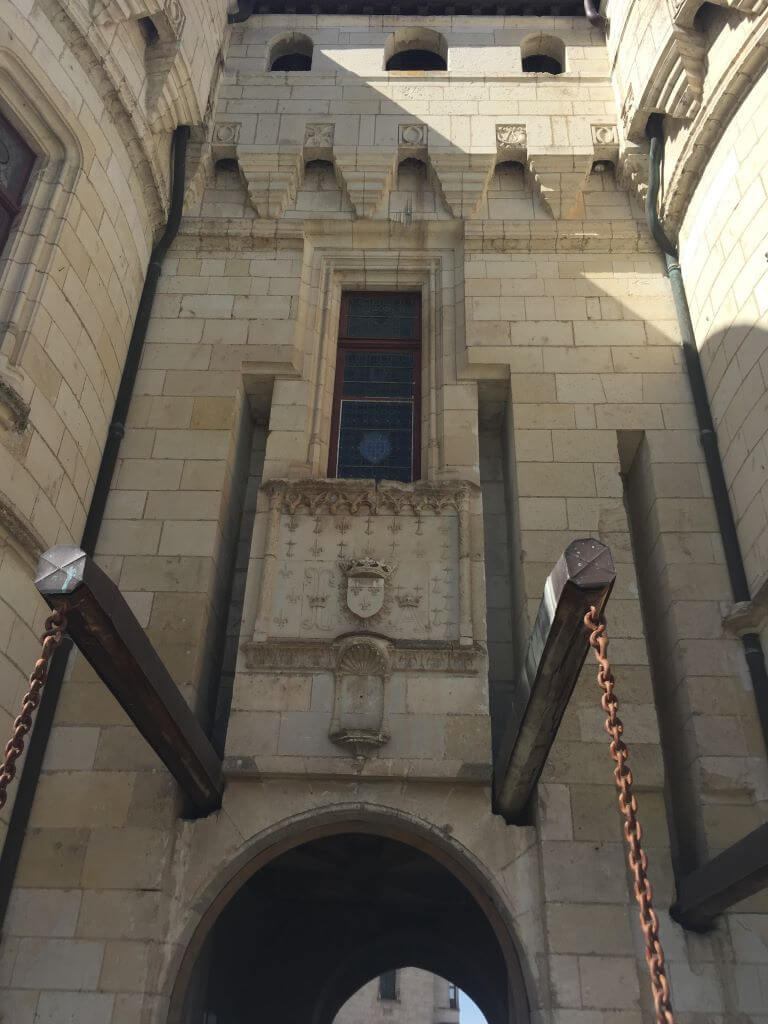
As you pass into the château, you get the chance to walk over the drawbridge, which in itself is pretty neat. Take a look around you to spot some of the castle’s defensive features including slits in the wall for archers and holes on the ceiling used to pour hot oil on attackers.
Domaine Chaumont-sur-Loire’s Chapel
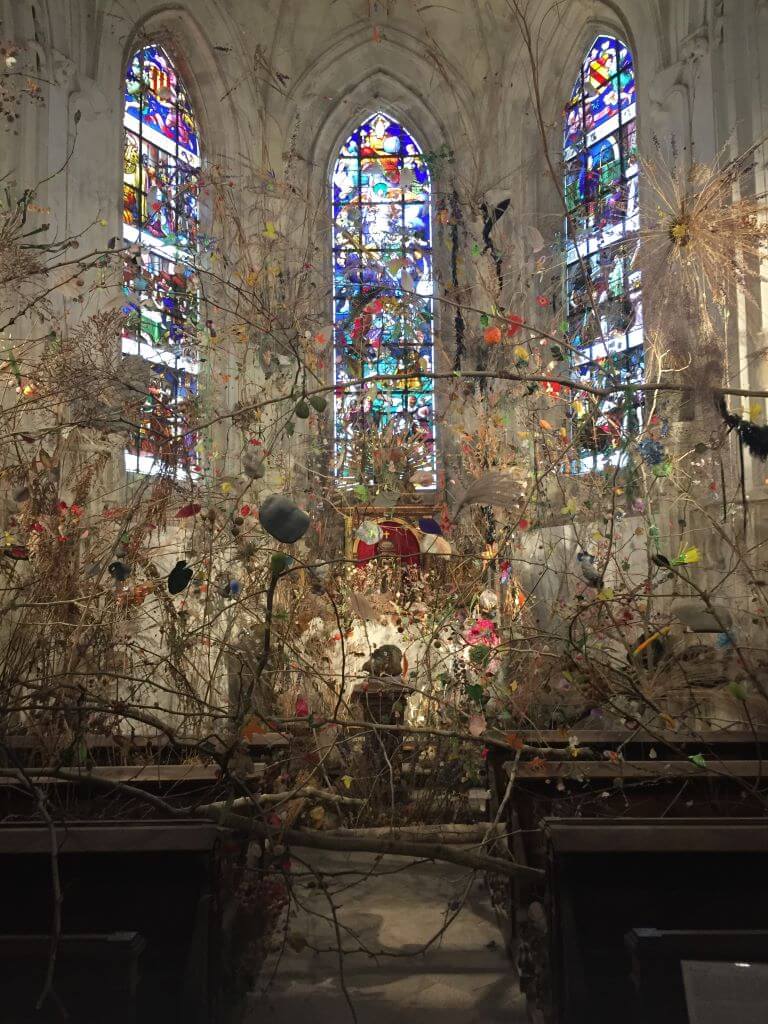
The chapel was originally built around the 16th century and then restored in the mid-1880s. Throughout the chapel are stained-glass windows representing the history of Domaine Chaumont-sur-Loire from its founding through the days of the de Broglie family.
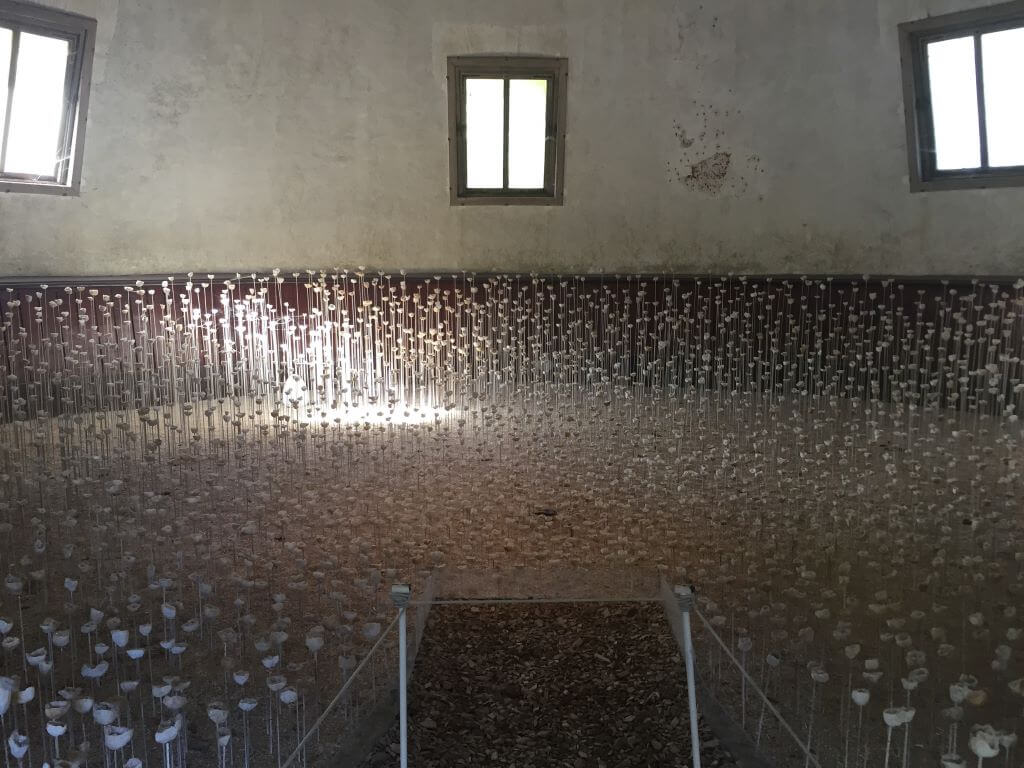
However, none of that is sure to be the first thing you see upon looking into the chapel. Instead, you’ll immediately notice the contemporary art exhibit strung up throughout the chapel.
Two Swiss artists, Gerda Steiner and Jörg Lenzlinger created this exhibit using parts of leaves, plants, grass and dried flowers from around the château. The exhibit is meant to represent nature and highlight the architecture within the chapel.
I was surprised I liked this as much as I did. I’m very much an originalist when it comes to architecture and historical exhibits. There was just something about this piece of art that caught my eye. I thought it was beautiful and, like the artists’ stated goal, helped to accentuate everything in the chapel.
The Council Chamber
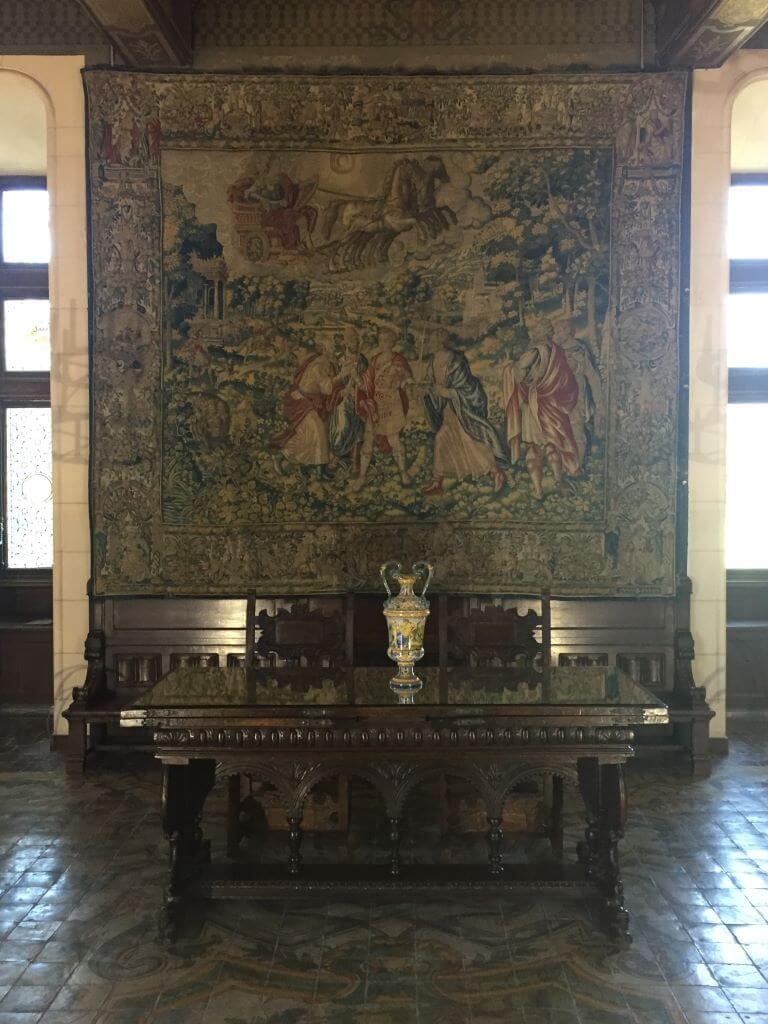
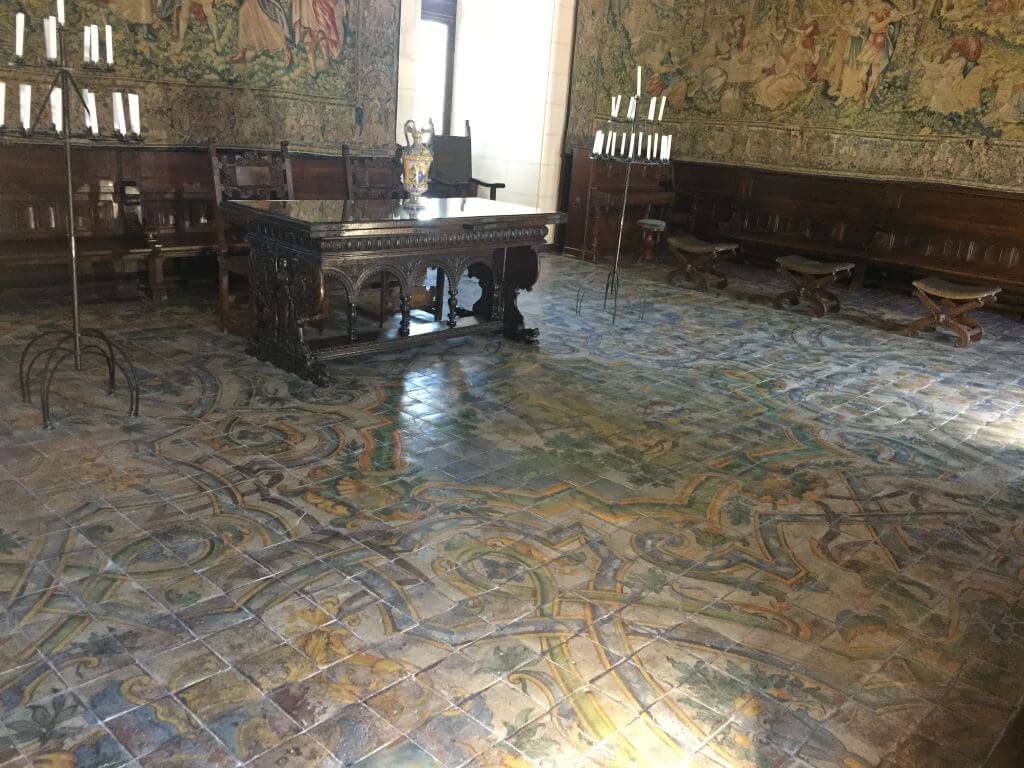
The Council Chamber is possibly the best room in Domaine Chaumont. Its main feature is the Planets and Days Tapestries hanging from the walls of the room. The main theme of these tapestries is astrology with Roman deities featured representing days of the week and a planet.
Other features of the Council Chamber include original 17th-century tiling and a 16th-century table.
The King’s Room
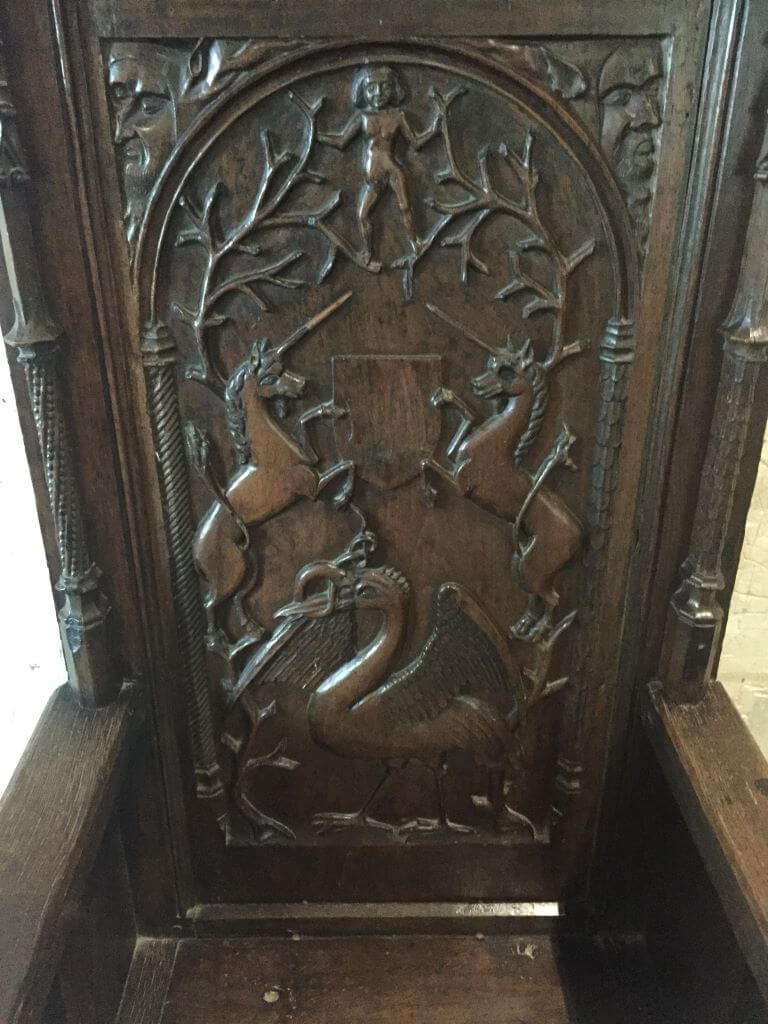
The primary feature of the King’s Room is the collection of 70 medallions created by Italian artist Jean-Baptiste Nini. This is considered the best and most extensive collection of these types of medallions in the world. Sure to catch the eyes of Americans are several medallions depicting Benjamin Franklin. Take a look through the collection to see if you recognize any of the other people featured.
The château also regularly showcases documents and photos of Domaine Chaumont-sur-Loire during the time when the de Broglie family was living here.
Unfurnished Rooms
Domaine Chaumont-sur-Loire has several unfinished rooms for you to visit as part of your tour. Personally, I found them a bit underwhelming. You can still see the architecture and layouts of the room, but without any original or replica furnishings, it kind of misses the mark for me when visiting a historical building.
However, these rooms do feature a contemporary art gallery that may interest some. I personally enjoyed what was on display during our visit despite my gripes about the lack of historical objects. The exhibits rotate yearly. When we visited, there were a few random exhibits, but the main showcase was several exhibits from a Chinese emigrant named Gao Xinjiang.
The International Garden Festival
Besides the overall design of the château, the star and most well-known part of Domaine Chaumont-sur-Loire is the International Garden Festival.
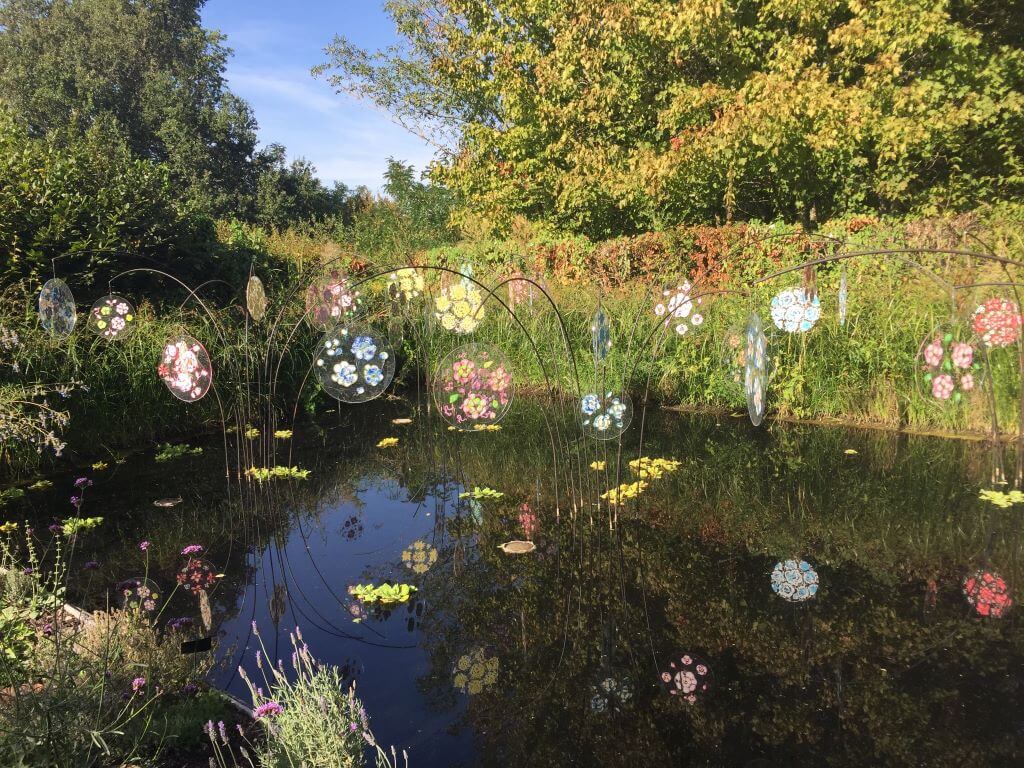
Held annually from late April through early November, this festival showcases around 30 contemporary garden designs based on a common theme. Garden designers and artists from around the world compete for the opportunity to display their designs at this festival each year.
Exhibits range from relatively simple to more surreal. There were a few designs I wasn’t a fan of, but most were enjoyable. Generally, the ones I didn’t like were more surreal and took some liberties with the word “garden.”
Even with that said, I still thoroughly enjoyed the experience. The exhibits were all unique in their own ways and some were quite impressive. While I don’t think I would visit the château again in the future, I would certainly like to visit these gardens again, especially since they change themes each year.
The Park and Stables of Domaine Chaumont
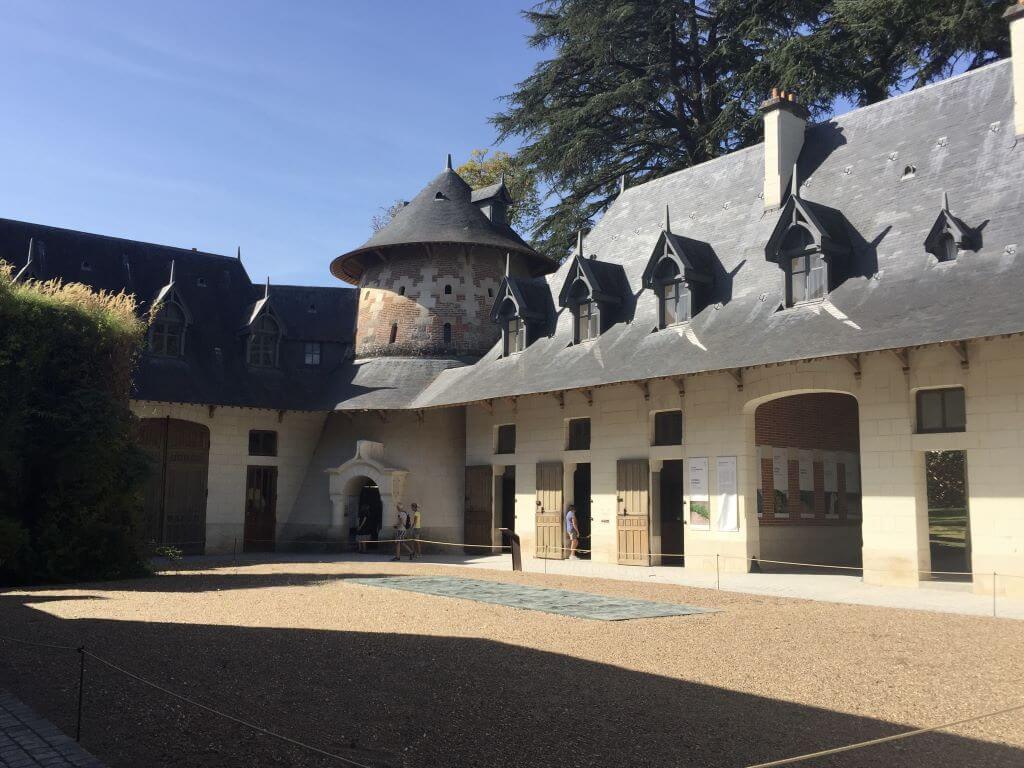
Besides the château itself and the International Garden Festival, the other two main sections of Domaine Chaumont-sur-Loire are the stables and the park. During our visit, we walked through the stable as it was conveniently located next to the International Garden Festival. We also walked through some of the park on our way up to the château.
Neither were all that impressive. The park was nice, but what we saw was essentially no different than any other park. If you have a lot of time to visit, it would be nice to just meander around the park for a bit. Otherwise, it’s not particularly anything you need to spend much time in.
The stables were a little more interesting than the park. According to their website, these stables were some of the most widely renowned in all of Europe during the late 20th century. You can see period carriages and equestrian gear throughout the stables. There are also a couple more contemporary art exhibits to be seen here, as well.
While I didn’t care much for the stables, if you enjoy horses and equestrian pastimes, you will likely enjoy this part of Domaine Chaumont-sur-Loire.
Is Domaine Chaumont Worth Visiting?
If you like gardens, the answer to this question is a resounding yes. The concept of using the gardens to showcase yearly art exhibits is such a novel idea, that you likely won’t see much else like it on your travels. They aren’t traditional French gardens, so you may be disappointed if that’s what you’re looking for. I was at first, but once we started exploring them, I found them quite enjoyable.
What if gardens aren’t your thing? You can probably skip Domaine Chaumont, then. The building itself is beautiful; it’s like something straight out of a fairy tale. However, it isn’t worth the time just for that alone if you are on a tight schedule. There are many other châteaux in the Loire Valley worth visiting to make better use of your time, like Château de Chenonceau and Château d’Amboise.
Where to Stay Near Domaine Chaumont
Amboise is the perfect small town for visiting Domaine Chaumont-sur-Loire and the other châteaux of the eastern Loire Valley. It has its own château, Château d’Amboise, to visit as well as a thriving main street with several cafes to take in after a day of sightseeing.
Thank you for reading this post. Paul Passing Through is a labor of love to which I’ve dedicated a lot of free time. If you’d like to show your support for my blog, you can Buy Me a Coffee to help fund the future of Paul Passing Through. I appreciate any contributions!
More Posts About French Châteaux
Here are more guides I’ve written to help you if you’re planning to visit other French châteaux.
Resources to Book Your Trip to Domaine Chaumont
Whether you’re looking for tours, hotels or flights, here are some tools to help get you started planning your trip to France!
Look for activities and tours offered through GetYourGuide or Viator!
Search Flights
Still can’t find what you’re looking for? Check out my travel essentials pages for more of my recommendations.
Pin This Post!